
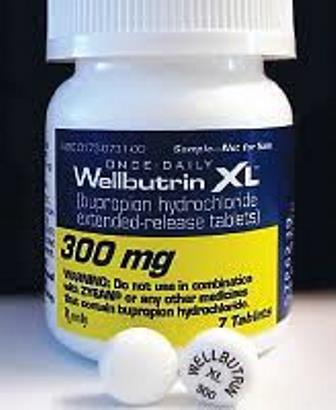
Wellbutrin XL 300mg – Comprehensive Guide, Uses, Effects, Benefits, Risks & Safety Information
Wellbutrin XL 300mg is a widely prescribed extended-release formulation of bupropion, a unique antidepressant used in the management of major depressive disorder (MDD), seasonal affective disorder (SAD), and in some cases, smoking cessation (under other brand names). Unlike other antidepressants, Wellbutrin XL does not act on serotonin pathways and instead belongs to a category known as Norepinephrine–Dopamine Reuptake Inhibitors (NDRIs). This unique mechanism contributes to its distinct therapeutic profile—such as lower risks of weight gain and sexual side effects, compared to many other antidepressants.
The 300mg XL dose is one of the most commonly prescribed strengths for adults who need once-daily dosing for depression management. Because it is extended-release, the medication is designed to provide a consistent level of bupropion in the bloodstream for 24 hours, improving treatment stability and patient adherence.
This comprehensive guide covers everything about Wellbutrin XL 300mg—how it works, what it’s used for, benefits, risks, effects, side effects, safety concerns, interactions, and scientific background. It is intended strictly for educational and informational purposes, not for self-diagnosis or independent medication decisions.
1. What Is Wellbutrin XL 300mg?
Wellbutrin XL is the extended-release version of bupropion hydrochloride. The 300mg dose delivers medication slowly over the course of a day so the patient only needs to take it once daily. It is prescribed primarily for:
-
Major Depressive Disorder (MDD)
-
Seasonal Affective Disorder (SAD)
-
Off-label uses include ADHD, anxiety associated with depression, and sexual-side-effect mitigation from SSRIs (under healthcare supervision)
Other brand names of bupropion include:
-
Zyban (for smoking cessation)
-
Aplenzin (different salt formulation)
-
Wellbutrin SR (sustained-release, taken 2× daily)
2. Pharmacological Profile
2.1 Mechanism of Action
Wellbutrin XL 300mg works by inhibiting the reuptake of:
-
Dopamine
-
Norepinephrine
By increasing the availability of these neurotransmitters, Wellbutrin XL can:
-
Elevate mood
-
Improve concentration
-
Enhance motivation
-
Reduce fatigue
-
Regulate emotional responses
This differentiates it from SSRIs and SNRIs, which act mainly on serotonin.
2.2 Pharmacokinetics
-
Absorption: Extended release allows gradual delivery over 24 hours
-
Peak levels: Typically reached in ~5 hours
-
Metabolism: Occurs primarily in the liver (CYP2B6)
-
Elimination half-life: About 21 hours
-
Excretion: Mainly through urine
Because of the extended-release formulation, the 300mg tablet must be swallowed whole and should not be crushed, broken, or chewed.
3. Medical Uses of Wellbutrin XL 300mg
3.1 Major Depressive Disorder (MDD)
Wellbutrin XL 300mg is FDA-approved for treating MDD. It may help with:
-
Persistent sadness or hopelessness
-
Low motivation
-
Fatigue and decreased energy
-
Difficulty concentrating
-
Reduced pleasure in daily activities (anhedonia)
Patients who experience emotional blunting on SSRIs may prefer bupropion because it does not typically suppress emotional responsiveness.
3.2 Seasonal Affective Disorder (SAD)
Wellbutrin XL is approved for preventing SAD in adults, particularly during winter months. The extended-release formulation provides stable mood support throughout the day with a once-daily dose.
3.3 Smoking Cessation (under other brand names)
While Wellbutrin XL itself is not marketed for smoking cessation, bupropion under the trade name Zyban is FDA-approved to help reduce nicotine cravings and withdrawal symptoms.
3.4 Off-Label Uses (under medical supervision)
-
ADHD, particularly inattentive type
-
Bipolar depression, as an adjunct
-
Weight management, due to its non-sedating profile
-
Sexual dysfunction caused by SSRIs
Off-label use should always be managed by a healthcare provider.
4. Benefits of Wellbutrin XL 300mg
4.1 Unique Compared to Other Antidepressants
Patients often choose or are switched to Wellbutrin XL because it differs significantly from serotonin-based antidepressants. Benefits include:
-
Lower risk of sexual side effects
-
No common weight gain; some experience mild weight loss
-
More activating rather than sedating
-
Can improve concentration and energy
-
May help reduce nicotine cravings
4.2 Once-Daily Convenience
The XL (extended-release) formulation is easier to take consistently. Compliance is crucial in mental health treatment, and once-daily dosing helps many patients follow their therapy plan more effectively.
4.3 Improved Cognitive Function
Some users report:
-
Sharper mental clarity
-
Better focus
-
Increased work productivity
-
Reduced “brain fog”
These effects arise from dopamine and norepinephrine modulation.
5. Potential Side Effects
Wellbutrin XL 300mg is generally well tolerated, but like all medications, it can cause side effects.
5.1 Common Side Effects
-
Headache
-
Dry mouth
-
Nausea
-
Anxiety or restlessness
-
Trouble sleeping (especially if taken late in the day)
-
Increased sweating
-
Mild weight loss
-
Elevated heart rate
Because Wellbutrin XL is stimulating, taking it early in the morning is usually recommended to avoid insomnia.
5.2 Less Common Side Effects
-
Ringing in the ears
-
Joint pain
-
Dizziness
-
Abdominal pain
-
Skin rash
5.3 Rare but Serious Side Effects
The most serious potential risk associated with bupropion is seizures, especially at high doses or in predisposed individuals. The XL formulation reduces peak plasma spikes, making it safer, but seizure risk still must be considered.
Other serious risks include:
-
Severe anxiety or panic
-
Suicidal thoughts in early stages of treatment
-
Hypertension
-
Unusual behavioral changes
Any concerning symptom requires prompt medical attention.
6. Contraindications and Safety Considerations
Wellbutrin XL 300mg is not appropriate for certain individuals.
6.1 Contraindications
People with the following conditions should avoid bupropion unless a medical professional approves and supervises treatment:
-
Seizure disorders
-
History of eating disorders (bulimia or anorexia nervosa)
-
Abrupt cessation of alcohol or sedatives
-
Current MAOI (Monoamine Oxidase Inhibitor) use
-
Severe head trauma
-
Uncontrolled hypertension
6.2 Pregnancy and Breastfeeding
-
Use in pregnancy is typically considered only if benefits outweigh risks
-
Bupropion passes into breast milk in small amounts; a doctor must guide usage
6.3 Substance Use Considerations
Because Wellbutrin has dopaminergic activity, it must be used carefully in individuals with a history of stimulant misuse.
7. Drug Interactions
Wellbutrin XL can interact with numerous medications.
7.1 Medications to Use with Caution
-
Antipsychotics
-
ADHD stimulants
-
Tramadol
-
Certain antidepressants (especially MAOIs, TCAs, SSRIs like fluoxetine or paroxetine)
-
Beta-blockers
-
Blood thinners
-
Corticosteroids
-
Drugs metabolized by CYP2B6
7.2 Alcohol Interaction
Alcohol can:
-
Increase seizure risk
-
Reduce effectiveness of antidepressant therapy
-
Trigger mood instability
Healthcare providers often recommend limiting or avoiding alcohol while taking Wellbutrin XL.
8. Long-Term Use of Wellbutrin XL 300mg
Many individuals take Wellbutrin XL for months or years under supervision. Long-term effects can include:
8.1 Benefits
-
Sustained mood stability
-
Lower relapse rates for major depression
-
Improved cognitive function
-
Consistent daily energy levels
-
Reduced seasonal depressive symptoms
8.2 Risks
-
Increased blood pressure in some individuals
-
Emotional overstimulation or anxiety
-
Rare potential for seizures (very uncommon at therapeutic doses)
8.3 Discontinuation
Stopping Wellbutrin XL suddenly is generally easier than discontinuing SSRIs, but gradual reduction is still recommended to avoid:
-
Irritability
-
Mild flu-like feelings
-
Sleep disturbances
9. How Wellbutrin XL 300mg Compares to Other Antidepressants
9.1 vs SSRIs (e.g., Sertraline, Escitalopram, Fluoxetine)
-
Less sexual dysfunction
-
Less weight gain
-
More activating
-
Better for individuals experiencing low energy
-
Does not affect serotonin directly
9.2 vs SNRIs (e.g., Venlafaxine, Duloxetine)
-
SNRIs affect serotonin + norepinephrine, while bupropion affects dopamine + norepinephrine
-
Wellbutrin is less likely to cause sweating, fatigue, or emotional numbness
-
SNRIs may better treat physical pain components
9.3 vs Tricyclic Antidepressants (TCAs)
-
Wellbutrin has fewer cardiac risks
-
No significant anticholinergic side effects
-
Easier to tolerate
10. Scientific Background & Research
Studies show Wellbutrin XL 300mg can:
-
Improve mood in MDD patients within 2–4 weeks
-
Reduce relapse of seasonal depression
-
Enhance quit-smoking success rates when used with behavioral therapy
-
Improve focus in some individuals with ADHD
-
Reduce SSRI-induced sexual side effects
Its unique NDRI profile contributes to these distinct outcomes.
11. Patient Experience & Practical Considerations
Many patients describe the following improvements after consistent use:
-
Increased motivation
-
More stable daily mood
-
Enhanced productivity
-
Improved concentration
-
Better emotional responsivity
Some report initial anxiety or restlessness during the first week; this typically resolves with time.
12. Storage & Handling
-
Store at room temperature
-
Keep away from moisture and sunlight
-
Keep out of reach of children and pets
-
Do not crush or split the tablets
13. Conclusion
Wellbutrin XL 300mg is a uniquely effective, non-serotonin antidepressant that serves many patients well—particularly those struggling with lack of energy, poor concentration, or sexual side effects from other antidepressants. Its once-daily dosing and distinct mechanism of action make it stand out from other depression treatments.
However, it must be taken exactly under medical supervision, as misuse or improper dosing can lead to serious health risks, including seizures or mood destabilization. When used responsibly and monitored properly, Wellbutrin XL 300mg offers a valuable, evidence-based option for individuals navigating depressive disorders or seasonal mood changes.
| Quantity | 90 |
|---|
Related products
Products
Products
Products

Products

Products

Products

Products
Products