
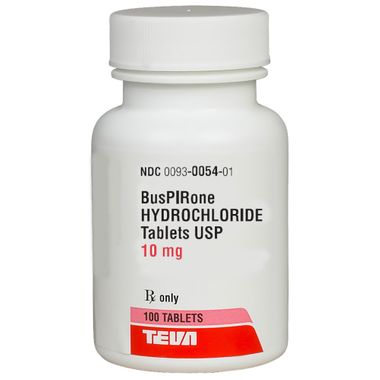


Buspirone 10mg – Complete Educational Guide, Uses, Effects, Side Effects & Safety
Buspirone 10mg is a widely prescribed anxiolytic medication used primarily for the management of Generalized Anxiety Disorder (GAD). Unlike benzodiazepines such as alprazolam, diazepam, or clonazepam, Buspirone has no sedative-hypnotic, muscle-relaxant, or anticonvulsant properties. It also carries a much lower risk of dependence, making it a preferred long-term treatment option for many individuals.
Buspirone’s mechanism of action is fundamentally different from typical anxiolytics—it works as a serotonin 5-HT1A partial agonist, influencing neurotransmitter activity in areas of the brain associated with mood regulation, worry, and stress adaptation. A standard Buspirone 10mg tablet is commonly used either as a starting dose or as part of a titrated daily regimen.
This detailed guide explores the full pharmacology, clinical applications, effects, dosing, precautions, and safety considerations of Buspirone 10mg. This content is strictly educational, offering insight into how the drug works and why healthcare professionals prescribe it for anxiety disorders.
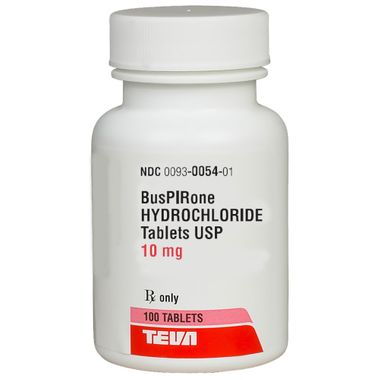
1. What Is Buspirone 10mg?
Buspirone is a non-benzodiazepine anxiolytic belonging to the azapirone class of medications. It was developed in the 1970s and approved by the FDA in 1986 for the treatment of anxiety disorders. Its unique pharmacological profile makes it an important option for patients seeking anxiety management without the risks of sedation, dependence, or cognitive impairment commonly seen in benzodiazepines.
The 10mg dose is one of the most frequently used strengths and can be taken once or multiple times per day depending on a doctor’s instructions.
Key Features of Buspirone:
-
Non-sedating in most patients
-
No euphoric effect
-
Minimal withdrawal risk
-
FDA-approved for GAD
-
Off-label uses include depression augmentation and other anxiety-related conditions
-
Takes several weeks to show full effect
2. How Buspirone Works (Mechanism of Action)
Buspirone has a complex neurochemical profile. Its primary mechanisms include:
2.1 Serotonin 5-HT1A Partial Agonism
Buspirone binds to 5-HT1A receptors, altering serotonin signal transmission and stabilizing mood and anxiety levels.
-
Reduces overactivity in anxiety circuits
-
Regulates worry, tension, and stress responses
-
Provides anxiolytic effects without sedation
2.2 Dopamine Receptor Activity
Buspirone also interacts with:
-
D2 dopamine receptors (antagonist)
-
D3 and D4 receptors (partial antagonist)
This contributes to its anxiolytic effects and may help reduce irritability or agitation in some patients.
2.3 No GABA Activity
Unlike benzodiazepines, Buspirone does not affect GABA receptors, meaning:
-
No sedation
-
No muscle relaxation
-
Lower abuse potential
-
No significant cognitive impairment
This distinction is the primary reason Buspirone is considered safer for long-term use.
3. Medical Uses of Buspirone 10mg
3.1 Generalized Anxiety Disorder (Primary Indication)
Buspirone is FDA-approved for:
-
Chronic worry
-
Restlessness
-
Somatic tension (muscle tension, shakiness)
-
Difficulty focusing due to anxiety
-
Fear or uneasiness unrelated to specific triggers
Buspirone works best for long-term, persistent anxiety, not panic attacks.
3.2 Off-Label Uses
Healthcare providers sometimes prescribe Buspirone for:
-
Augmentation in depression (especially with SSRIs or SNRIs)
-
Sexual dysfunction caused by antidepressants
-
Irritable Bowel Syndrome (IBS)-related anxiety
-
Social anxiety disorder (limited evidence)
-
Premenstrual anxiety
-
Post-traumatic stress symptoms (certain cases)
These uses depend on clinical judgement and patient response.
4. Dosage Guidelines for Buspirone 10mg
4.1 Standard Adult Dosage
Typical prescribing patterns:
-
Start at 7.5mg twice daily or 10mg once or twice daily
-
Increase by 5mg increments every 2–3 days based on response
-
Usual therapeutic range: 20–30mg per day
-
Maximum daily dose: 60mg
A 10mg tablet allows flexibility for:
-
Twice-daily dosing
-
Three-times-daily dosing
-
Controlled titration
4.2 How to Take Buspirone
Buspirone should be taken:
-
Consistently with or without food (must pick one and stick to it)
-
At regular intervals to maintain stable blood levels
-
With a full glass of water
4.3 Time to See Results
Buspirone is not fast-acting.
-
Initial effects: 1–2 weeks
-
Maximum benefit: 4–6 weeks
It is not suitable for acute anxiety spikes or panic attacks, which require other treatment approaches.
5. Pharmacokinetics
Understanding how Buspirone moves through the body:
5.1 Absorption
-
Rapid absorption after oral administration
-
Impacted by food (increases blood levels)
5.2 Distribution
-
Widely distributed in tissues
-
Moderately protein-bound
5.3 Metabolism
-
Extensively metabolized in the liver (CYP3A4 enzyme pathway)
-
Produces active metabolites like 1-PP, contributing to effects
5.4 Elimination
-
Excreted via urine and feces
-
Half-life: 2–3 hours, hence multiple daily doses may be needed
6. Benefits of Buspirone 10mg
6.1 Low Risk of Addiction
Buspirone has no known addiction potential, making it suitable for long-term therapy.
6.2 Non-Sedating
Most users experience:
-
No drowsiness
-
No impaired coordination
-
No cognitive slowing
6.3 Fewer Sexual Side Effects
Compared to SSRIs, Buspirone has minimal risk of sexual dysfunction.
6.4 May Improve Antidepressant Response
Often used with SSRIs or SNRIs to boost mood and reduce residual anxiety.
7. Side Effects of Buspirone 10mg
Buspirone is considered very safe, but side effects can occur.
7.1 Common Side Effects
-
Dizziness
-
Lightheadedness
-
Nausea
-
Headache
-
Nervousness
-
Insomnia
-
Dry mouth
-
Fatigue
These often improve as the body adjusts.
7.2 Less Common Side Effects
-
Blurred vision
-
Muscle aches
-
Skin rash
-
Sweating
-
Restlessness
7.3 Rare but Serious Reactions
-
Serotonin syndrome (when combined with serotonergic drugs)
-
Allergic reactions (hives, swelling, breathing difficulty)
-
Severe dizziness or fainting
Immediate medical attention is required for serious symptoms.
8. Safety Precautions and Warnings
8.1 Alcohol Interaction
While Buspirone is not sedating, alcohol can increase:
-
Dizziness
-
Impairment
-
Unpredictable effects
Avoid or minimize consumption.
8.2 Grapefruit Interaction
Grapefruit significantly increases Buspirone levels, risking side effects.
Patients are often instructed to avoid grapefruit.
8.3 Other Medical Conditions
Use with caution if:
-
Liver impairment
-
Kidney impairment
-
History of bipolar disorder
-
Pregnancy or nursing
8.4 Not for Panic Disorder
Buspirone does not rapidly calm acute panic.
9. Drug Interactions
Buspirone interacts with:
9.1 Antidepressants
SSRIs, SNRIs, MAOIs
-
Risk: Serotonin syndrome
MAOIs must be discontinued at least 14 days before starting Buspirone.
9.2 CNS Depressants
Even though Buspirone is non-sedating, combined use may increase side effects.
9.3 CYP3A4 Inhibitors
These drugs increase Buspirone blood levels:
-
Ketoconazole
-
Erythromycin
-
Clarithromycin
-
Verapamil
-
Grapefruit juice
9.4 CYP3A4 Inducers
These decrease Buspirone levels:
-
Carbamazepine
-
Rifampin
-
St. John’s Wort
All interactions should be reviewed with a healthcare professional.
10. Comparison With Other Anxiety Medications
10.1 Buspirone vs. Benzodiazepines
| Feature | Buspirone | Benzodiazepines |
|---|---|---|
| Sedation | Low | High |
| Onset | Weeks | Minutes |
| Dependence Risk | Very low | High |
| Best Use | Chronic GAD | Acute anxiety, panic |
10.2 Buspirone vs. SSRIs/SNRIs
Buspirone is:
-
Less likely to cause sexual dysfunction
-
Less likely to cause weight gain
-
Less likely to affect sleep architecture
But SSRIs/SNRIs may treat both depression and anxiety, while Buspirone is primarily anxiolytic.
11. Misconceptions About Buspirone
“Buspirone works immediately.”
False—takes weeks.
“Buspirone is addictive like benzodiazepines.”
False—no known dependence issues.
“Buspirone can stop panic attacks.”
False—not effective for rapid anxiety spikes.
“Buspirone replaces antidepressants.”
Not always—often used alongside them.
12. Overdose Information
Buspirone overdose is rarely fatal but can cause:
-
Vomiting
-
Dizziness
-
Drowsiness
-
Stomach upset
-
Very high doses: tremors, seizures, respiratory issues
Medical attention is required in any suspected overdose.
13. Special Populations
13.1 Pregnancy
Limited data; only used if benefits outweigh risks.
13.2 Breastfeeding
Small amounts transfer to breast milk; doctor supervision needed.
13.3 Elderly Patients
Generally safe, but may need lower doses due to metabolism differences.
14. Effectiveness in Long-Term Use
Studies show Buspirone remains effective for:
-
Long-term management of chronic anxiety
-
Reducing worry, tension, and irritability
-
Improving social and occupational functioning
It does not lose effectiveness over time the way benzodiazepines often do.
15. Practical Tips for Patients
-
Take consistently (same time, same food pattern)
-
Don’t miss doses; if missed, take soon unless close to next dose
-
Avoid alcohol
-
Avoid grapefruit
-
Be patient—effects take time
-
Track anxiety symptoms weekly to monitor progress
16. Conclusion
Buspirone 10mg is a well-established medication for managing Generalized Anxiety Disorder, offering a safer long-term alternative to benzodiazepines with minimal risk of dependence and cognitive impairment. Its unique mechanism of action, favorable side-effect profile, and utility as an augmentation agent make it valuable in modern psychiatry.
Though not intended for acute panic or immediate relief, Buspirone offers consistent, steady anxiolytic benefits when taken regularly and appropriately under medical supervision. It is suitable for many individuals seeking a long-term anxiety management strategy without sedation or addiction risks.
| Quantity | 120 |
|---|
Related products

Products

Products
Products

Products

Products
Products

Products

Products