Introduction to Intraline PDO
Intraline PDO threads represent a modern category of professional-grade aesthetic devices designed for practitioners seeking refined tools for non-surgical facial and body rejuvenation procedures. Crafted with precision, consistency, and safety in mind, these polydioxanone (PDO) threads are known within the aesthetics industry for their uniform craftsmanship, reliable tensile strength, and smooth handling characteristics. They are engineered to assist trained aesthetic practitioners in creating structural support beneath the skin, enhancing definition, and encouraging a lifted appearance—without the need for surgical incisions.
Since their introduction to the global marketplace, PDO threads have become a widely adopted modality within medical aesthetics, offering options that complement a variety of non-invasive and minimally invasive procedures. Intraline’s approach emphasizes product quality, manufacturing integrity, and practitioner-focused usability. Their PDO line adheres to stringent international standards, positioning the brand as a respected choice among aesthetic professionals.
The following sections provide an in-depth overview of Intraline PDO threads, including material composition, key product types, industry use-cases, packaging standards, practitioner benefits, and brand philosophy. This content is structured to provide a comprehensive resource that can be used for product pages, educational material, or product marketing campaigns.
What Are Intraline PDO Threads?
Intraline PDO threads are sterile, single-use sutures manufactured from polydioxanone, a biodegradable polymer widely used in medical suturing for over three decades. This material is known for its biocompatibility, gradual absorption profile, and smooth interaction with tissue.
Purpose and Application
PDO threads are utilized by qualified aesthetic practitioners to:
-
Create internal support within the skin
-
Encourage visible lifting and tightening effects
-
Enhance structural definition in specific facial or body regions
-
Complement other aesthetic modalities such as dermal fillers or skin-resurfacing techniques
They do not replace surgical procedures, nor do they replicate surgical outcomes, but they offer an alternative option for clients seeking less invasive aesthetic enhancement.
Key Material Characteristics
Polydioxanone is valued for:
-
High tensile strength: Supports the shape and integrity of the thread during and after placement
-
Predictable degradation: Gradually dissolves in the body over several months
-
Biocompatibility: Minimizes risk of adverse tissue reactions when used properly
-
Flexibility and pliability: Allows smooth insertion through micro-cannulas or fine needles
Intraline selects medical-grade PDO produced according to international safety and quality expectations.
Manufacturing Standards and Quality Assurance
Intraline maintains a robust quality system to ensure consistency across its PDO product range. Key aspects of their manufacturing and regulatory approach include:
1. ISO and CE Standards
Intraline PDO threads are produced in ISO-certified facilities that follow Good Manufacturing Practices (GMP). Many of their PDO products hold CE certification, meaning they meet the European Union’s requirements for health, safety, and environmental protection.
2. Precision-Cut Cannulas and Needles
Each thread is paired with a needle or cannula that is:
-
Ultra-fine
-
Sharp or blunt (depending on design)
-
Engineered for smooth, controlled insertion
The precision cutting and polishing of the delivery system helps reduce resistance and improve practitioner accuracy.
3. Sterile, Single-Use Packaging
Every PDO thread is individually packaged to ensure sterility. The packaging is designed for:
-
Protection from contamination
-
Easy identification of thread type and sizing
-
Safe disposal after use
4. Inspection and Tolerance Control
The company conducts batch-by-batch testing, including:
-
Tensile strength verification
-
Dimensional checks
-
Visual inspection for uniformity
This ensures practitioners receive products that meet predictable performance standards.
Intraline PDO Thread Types
Intraline’s PDO portfolio includes several categories, each designed for different aesthetic goals and placement techniques. These options allow practitioners to tailor procedures based on desired outcomes, anatomical areas, and client preferences.
1. Mono Threads
Mono threads are smooth PDO filaments without barbs or cogs. They are typically used to create a subtle, refined enhancement by adding structural support to the skin.
Key Features
-
Smooth design
-
Supportive without strong lifting effect
-
Often used in a mesh or fan pattern
-
Suitable for delicate areas
Common Professional Applications
-
Periorbital fine lines
-
Subtle jawline refinement
-
Neck and décolletage support
-
General skin quality enhancement
Mono threads are favored for clients seeking natural results with minimal intervention.
2. Screw Threads
Also known as twisted threads, screw PDO threads consist of one or two threads entwined around the insertion needle.
Key Features
-
Coiled structure
-
Ideal for adding volume and softening hollow regions
-
Can provide a mild lifting effect
-
Flexible and easy to manipulate
Common Professional Applications
-
Nasolabial areas
-
Marionette zones
-
Midface soft-tissue support
-
Fine volume enhancement
Practitioners often use screw threads for localized rejuvenation that balances subtle volume with contour refinement.
3. Cog Threads (Barbed Threads)
Cog threads feature tiny barbs or cogs designed to anchor and reposition tissue. They are widely used for structural lifting effects.
Key Features
-
Unidirectional, bidirectional, or multidirectional barbs
-
Strong mechanical anchoring ability
-
Designed for lifting or repositioning soft tissue
-
Often used in fewer quantities compared to mono threads
Common Professional Applications
-
Jawline contouring
-
Cheek elevation
-
Brow support
-
Midface contouring
Cog threads are typically chosen by practitioners looking for more pronounced definition and contouring potential.
4. Cannula-Based Threads
Many Intraline PDO threads are delivered through blunt-tip cannulas, which may be favored for certain applications because they:
-
Navigate through tissue planes more gently
-
Lower the chance of vessel trauma
-
Provide more controlled placement
Cannula options exist across mono, screw, and cog variations.
Sizes and Specifications
Intraline PDO threads come in a broad range of lengths, gauges, and configurations to suit various anatomical needs.
Needle Gauges
Common gauges include:
-
29G for fine, delicate areas
-
27G for moderate support
-
26G–23G for cog threads and lifting applications
Thread Lengths
Threads vary from 25 mm up to 150 mm, allowing practitioners to select the appropriate length for:
-
Small, localized regions (e.g., crow’s feet)
-
Longer vector lifting pathways (e.g., lateral face, jawline)
-
Body applications such as abdomen or knees
Cannula Types
-
Blunt cannulas for lifting and contouring
-
Sharp needles for precise superficial thread placement
This level of versatility makes the Intraline PDO range adaptable for practitioners with different techniques and client goals.
Advantages of Intraline PDO for Practitioners
Practitioners often select Intraline PDO threads due to several core advantages:
1. Consistent Manufacturing
Reliable quality reduces variability during procedures, allowing practitioners to perform with confidence and predictable handling.
2. Smooth Insertion
Ultra-polished cannulas and needles make insertion more controlled, often resulting in a more comfortable experience for the client.
3. Strong Tensile Strength
Supports the longevity of the thread’s structural role during its time within the tissue.
4. Versatility Across Aesthetic Concerns
The variety of thread types enables practitioners to build customized treatment plans, from subtle refinement to more significant lifting and contouring.
5. High Absorbability
As a biodegradable polymer, PDO gradually dissolves over time through simple hydrolysis, leaving no permanent material behind.
6. Natural-Looking Outcomes
PDO threads aim to provide subtle and refined enhancements, which many clients prefer over dramatic or surgical changes.
Why Clients Seek PDO Thread Procedures (General Considerations)
While each client’s motivations are unique, many individuals explore PDO thread procedures for factors such as:
-
Desire for a fresher, more defined appearance
-
Interest in non-surgical aesthetic options
-
Preference for minimal downtime
-
Aesthetic goals that do not require surgical intervention
-
Complementary enhancements alongside other treatments
This trend aligns with a global shift toward minimally invasive aesthetic procedures.
Intraline Brand Positioning
Intraline has positioned itself as a premium aesthetic brand rooted in European quality and Scandinavian-inspired design values. Their product philosophy emphasizes:
Clean Beauty, Transparency, and Ethical Production
Intraline highlights sustainability, ethical sourcing, and product transparency as core pillars of their brand.
Minimalistic Scandinavian Approach
The branding reflects:
-
Clean lines
-
Elegant packaging
-
Simplicity and precision
-
Trustworthiness
This visual identity supports their reputation for high-quality aesthetic solutions.
Education and Practitioner Support
Intraline provides resources for professionals, including:
-
Product guides
-
Training outlines
-
Best-practice recommendations
-
Safety and usage information
Their aim is not only to supply products but also to enrich practitioner knowledge and confidence.
Packaging and Presentation
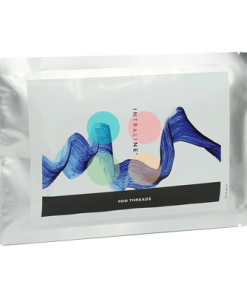
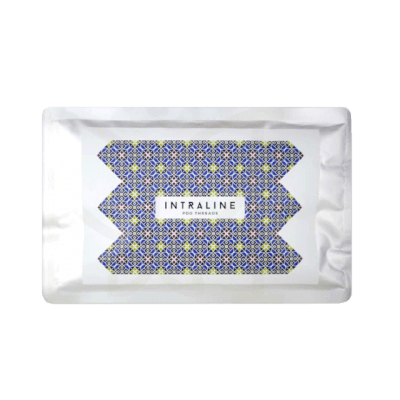
Intraline PDO threads are packaged in sealed, sterile blister packs that protect the integrity of the device until it is ready for use.
Packaging Features
-
Clear identification of thread type, gauge, and length
-
Easy-to-read labeling for efficient workflow
-
Expiration date and lot number for traceability
-
Clean, modern box design suitable for clinical environments
Intraline’s attention to packaging details underscores their emphasis on professionalism and user experience.
Training and Professional Use
PDO thread procedures should only be performed by licensed and trained medical professionals who understand facial anatomy, aseptic technique, and thread insertion protocols. Intraline supports ethical and responsible use of its products within appropriate clinical guidelines.
Professional Training Typically Covers
-
Anatomy and physiology relevant to the procedure
-
Thread selection based on aesthetic goals
-
Safe insertion techniques
-
Post-procedure considerations
-
Managing potential complications
-
Combining PDO threads with other aesthetic modalities
Proper training is essential for achieving reliable and aesthetically pleasing outcomes.
Comparing Intraline PDO Threads With Other Thread Types
PDO is one of several materials used in modern thread lifting. Though this content focuses exclusively on Intraline’s PDO products, it is helpful for professionals and clients to understand where PDO fits within the broader landscape.
Compared to PLLA or PCL Threads
-
PDO dissolves more quickly
-
Often preferred for initial thread treatments due to predictability
-
Allows subtle refinement without long-term commitment
Each thread type has unique advantages, and many practitioners maintain multiple thread materials in their toolkit.
Longevity and Degradation
While specific timelines vary by thread type, gauge, and anatomical placement, PDO generally begins to dissolve gradually over several months. The length of time threads remain present depends on multiple factors, including practitioner technique and client metabolism.
Practitioners emphasize that PDO threads provide temporary support and refinement.
Ideal Candidates (General Characteristics)
Practitioners typically consider PDO threads for clients who meet criteria such as:
-
Mild to moderate aesthetic concerns
-
Interest in subtle rejuvenation
-
Preference for non-invasive approaches
-
Realistic expectations
Candidacy is always determined by a qualified provider based on an individualized consultation.
Safety Considerations
Intraline PDO threads are designed for professional use within clinical safety standards. Safety depends on:
-
The practitioner’s training and experience
-
Proper sterilization and aseptic technique
-
Appropriate thread selection
-
Correct insertion depth and vectoring
Like all aesthetic devices, PDO threads must be used responsibly following manufacturer guidelines and medical regulations.
Why Choose Intraline PDO Threads?
Aesthetic professionals often select Intraline because the brand combines modern design principles with high manufacturing quality. The benefits include:
1. Refined Craftsmanship
Precision engineering ensures consistent results.
2. Practitioner-Friendly Handling
Smooth delivery instruments reduce friction and support procedural accuracy.
3. A Wide Range of Options
Mono, screw, and cog threads across multiple gauges allow customized treatment plans.
4. Attractive Aesthetic Branding
Clean Scandinavian branding enhances client confidence and reinforces professional credibility.
5. Trusted Reputation
Many practitioners worldwide recognize the Intraline PDO line for its dependability and performance.
Conclusion
Intraline PDO threads offer aesthetic practitioners a reliable, versatile, and high-quality option for non-surgical facial and body rejuvenation procedures. Crafted with medical-grade polydioxanone and manufactured under strict international standards, they provide predictable handling, smooth insertion, and a wide array of thread types designed to support various aesthetic goals.
The brand’s commitment to quality, safety, transparency, and Scandinavian-inspired design has made Intraline PDO a respected choice among professionals seeking effective tools for natural-looking and refined results.
For clinics looking to expand their offerings with premium, minimally invasive solutions, Intraline PDO provides a comprehensive and aesthetically appealing product line that aligns with modern consumer preferences and professional demands.
Related products